
Achieving Energy Efficiency Through Sustainable Solutions
- Grace Smith
- Nov 12, 2025
- 4 min read

In a world increasingly aware of climate change and environmental degradation, the push for energy efficiency has never been more critical. Energy efficiency not only reduces our carbon footprint but also leads to significant cost savings for individuals and businesses alike. This blog post explores various sustainable solutions that can help achieve energy efficiency, providing practical examples and actionable insights.
Understanding Energy Efficiency
Energy efficiency refers to using less energy to provide the same service. It is about maximizing output while minimizing input. For instance, energy-efficient appliances use less electricity than their traditional counterparts, leading to lower utility bills and reduced environmental impact.
Why Energy Efficiency Matters
Environmental Impact: Reducing energy consumption decreases greenhouse gas emissions, which are a significant contributor to climate change.
Cost Savings: Energy-efficient solutions often lead to lower energy bills. For example, switching to LED lighting can reduce lighting costs by up to 75%.
Energy Security: By using less energy, we can reduce our dependence on fossil fuels and enhance energy security.
Sustainable Solutions for Energy Efficiency
1. Renewable Energy Sources
Harnessing renewable energy sources is one of the most effective ways to achieve energy efficiency. Solar, wind, and hydroelectric power are sustainable alternatives to fossil fuels.
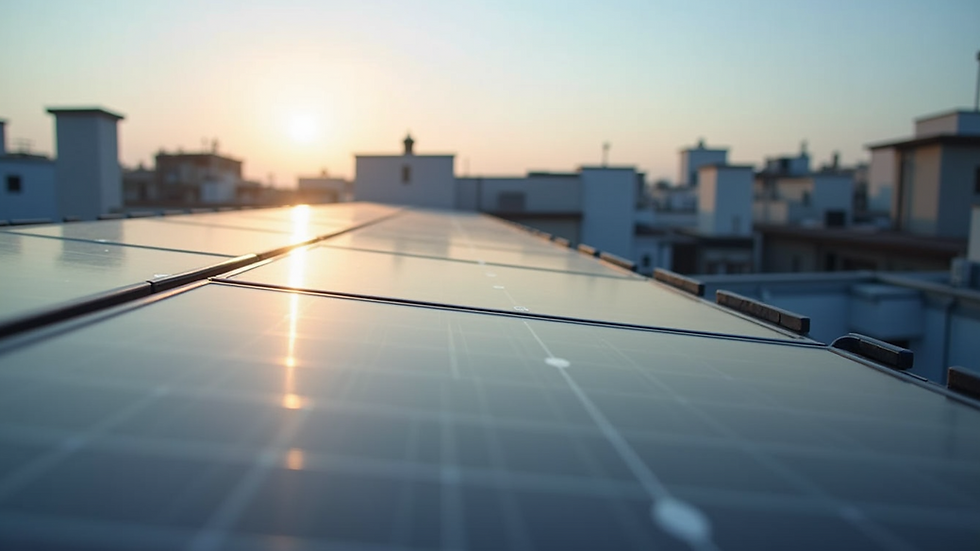
Solar Energy: Installing solar panels can significantly reduce electricity bills. For example, a typical residential solar system can save homeowners thousands over its lifespan.
Wind Energy: Wind turbines can generate electricity without emitting greenhouse gases. Communities can invest in wind farms to power local homes and businesses.
2. Energy-Efficient Appliances
Upgrading to energy-efficient appliances is a straightforward way to improve energy efficiency at home or in the workplace.
Refrigerators: Energy Star-rated refrigerators use about 15% less energy than standard models.
Washing Machines: High-efficiency washing machines use less water and energy, saving both resources and money.
3. Smart Home Technology
Smart home devices can optimize energy use by allowing homeowners to monitor and control their energy consumption.
Smart Thermostats: These devices learn your schedule and adjust heating and cooling accordingly, potentially saving up to 10-15% on heating and cooling costs.
Smart Lighting: Automated lighting systems can turn off lights when rooms are unoccupied, reducing unnecessary energy use.
4. Insulation and Weatherization
Proper insulation and weatherization can significantly reduce energy loss in buildings.
Insulation: Adding insulation to walls, attics, and basements can keep homes warmer in winter and cooler in summer, reducing the need for heating and cooling.
Weather Stripping: Sealing gaps around doors and windows prevents drafts, improving energy efficiency.
5. Energy Audits
Conducting an energy audit can help identify areas where energy is being wasted and suggest improvements.
Professional Audits: Hiring a professional can provide a comprehensive analysis of energy use and recommend specific upgrades.
DIY Audits: Homeowners can perform simple checks, such as examining insulation levels and checking for drafts.
Case Studies: Successful Implementation of Sustainable Solutions
Case Study 1: Solar Energy in California
In California, a community initiative to install solar panels on residential rooftops has led to a significant reduction in energy costs. Homeowners participating in the program reported savings of up to 50% on their electricity bills. This initiative not only promotes energy efficiency but also fosters community engagement in sustainability efforts.
Case Study 2: Energy-Efficient Appliances in New York
A New York-based nonprofit organization launched a program to provide low-income families with energy-efficient appliances. The program resulted in an average energy savings of 30% per household, demonstrating how targeted interventions can lead to substantial energy efficiency improvements.
The Role of Policy in Promoting Energy Efficiency
Government policies play a crucial role in promoting energy efficiency. Incentives such as tax credits, rebates, and grants can encourage individuals and businesses to invest in sustainable solutions.
Examples of Effective Policies
Tax Incentives: Many states offer tax credits for homeowners who install solar panels or energy-efficient appliances.
Building Codes: Stricter building codes can ensure that new constructions meet energy efficiency standards.
Overcoming Barriers to Energy Efficiency
Despite the clear benefits, several barriers hinder the widespread adoption of energy-efficient solutions.
Common Barriers
Upfront Costs: The initial investment for energy-efficient upgrades can be a deterrent for many.
Lack of Awareness: Many individuals and businesses are unaware of the benefits and available options for energy efficiency.
Inertia: Resistance to change can prevent people from adopting new technologies or practices.
Strategies to Overcome Barriers
Education and Outreach: Providing information about the benefits of energy efficiency can motivate individuals to take action.
Financial Assistance: Offering low-interest loans or grants can help alleviate the burden of upfront costs.
The Future of Energy Efficiency
As technology advances, the potential for energy efficiency continues to grow. Innovations in smart technology, renewable energy, and building materials will play a significant role in shaping a more sustainable future.
Emerging Trends
Smart Grids: These advanced electrical grids can optimize energy distribution and reduce waste.
Energy Storage: Improved battery technology will allow for better storage of renewable energy, making it more accessible.
Conclusion
Achieving energy efficiency through sustainable solutions is not just an environmental imperative; it is also a practical approach to saving money and enhancing energy security. By embracing renewable energy, upgrading appliances, utilizing smart technology, and improving insulation, individuals and businesses can make significant strides toward a more sustainable future. The journey toward energy efficiency requires collective effort, informed choices, and a commitment to change. Start today by assessing your energy use and exploring the sustainable solutions available to you.


Comments